
What to pay attention to during a technical inspection
During a technical inspection an independent inspector checks the condition of a house and records it in a building report. Here's what gets inspected, what should be in the report, and what to watch for so you choose the right inspector.
Enter your postcode & discover available inspectors


- 100% free & no obligation
- Certified inspectors (NHG/NEN)
- Multiple quotes within 3 minutes
- Save up to 45% on costs
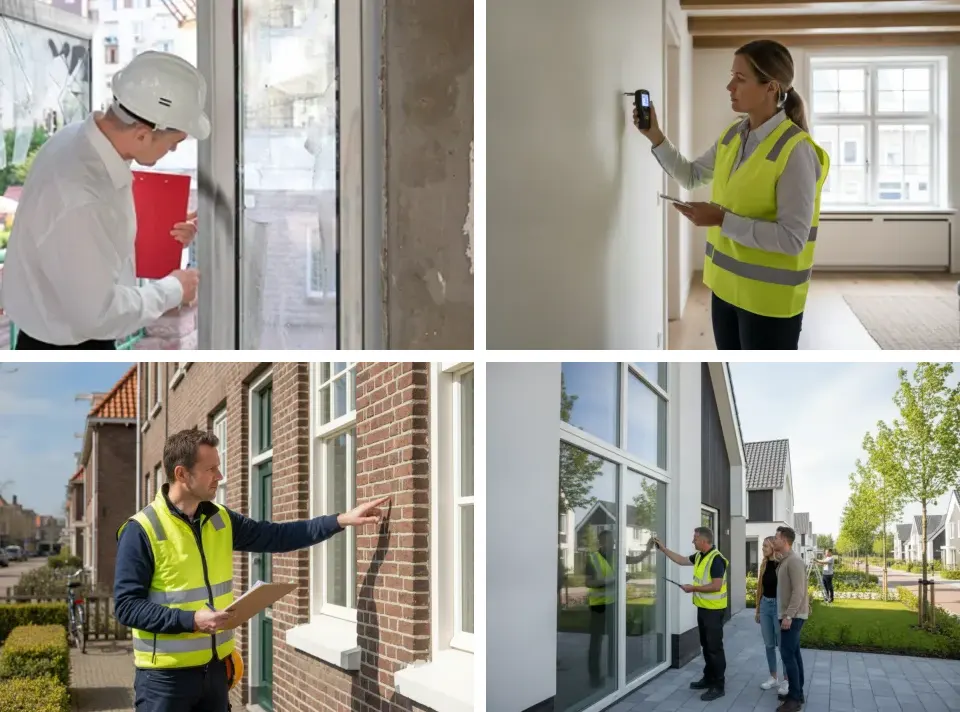
The most important thing to pay attention to during a technical inspection is independence: choose an inspector who works for you, not for the seller. A technical inspection (bouwkundige keuring) is when a specialised inspector examines a property and records the condition of its building elements in a report. It's most often used when buying a house — it gives you certainty about the condition and a solid basis for deciding how much to offer.
Choose an independent inspector
Estate agents often recommend an inspection agency, but the agent has a shared interest in seeing the house sold. Make sure you pick an independent agency that works for you. Comparing a few inspectors first helps you weigh experience, turnaround time, and price before you commit.
Compare technical inspectors
HuisAssist helps you find the best, pre-vetted building inspectors. Comparing a few inspectors makes it quick and easy to choose the right technical inspection.
Receive quotes for building inspections in your area
We deliver you 3 building inspectors and you can accept the best choice.
What gets inspected
Knowing what's checked helps you know what to look out for. A technical inspection covers the whole house, including:
- Foundation and crawl space
- Drainage and ventilation
- Floors, walls, ceilings and masonry
- Structure, such as the roof construction and roof boarding
- Stairs and balustrades
- Dormer windows, window frames, lead flashing and skylights
- Sanitary areas: bathroom, kitchen and toilet
- The condition of paintwork
- Installations (water, gas, electricity and more)
- Fire safety
- Frames, windows and doors
- Glazing and ventilation
- Moisture measurement to check for wood rot
- Outbuildings, garage, external staircases and garden
Keep in mind it's a non-invasive visual inspection — the inspector won't open up walls or lift floorboards. For deeper concerns, such as the foundation or asbestos, you'll need a specialist inspection.
What the report should include
What ends up in the final report can vary by inspector and chosen package, but a good inspection report should contain:
- A summary of the findings, including any defects and deficiencies
- A description of the location and severity of each problem
- Recommendations for repairs and improvements
- Photos of the inspected areas and problems
- An overall assessment of the construction quality and condition
- An estimate of the repair costs (often included, sometimes optional)
What it costs
A standard technical inspection costs roughly €350 to €600, depending on the size, age and location of the property. That's a small amount next to the hidden defects a thorough report can uncover.
Frequently asked questions
An inspector recommended by the selling agent may not be fully on your side, since the agent wants the sale to go through. An independent inspector reports only what they find, which is exactly the certainty you're paying for.
No. A standard technical inspection is a non-invasive visual check. For deeper investigation — foundation, asbestos or moisture — you arrange a specialist inspection separately.
Yes, it's recommended. The inspector can explain findings on the spot and answer your questions, which helps you understand the key issues straight away.
Related articles
Receive quotes for building inspections in your area
We deliver you 3 building inspectors and you can accept the best choice.
- Data-driven
- No obligations
- Fast & easy
Enter your postcode